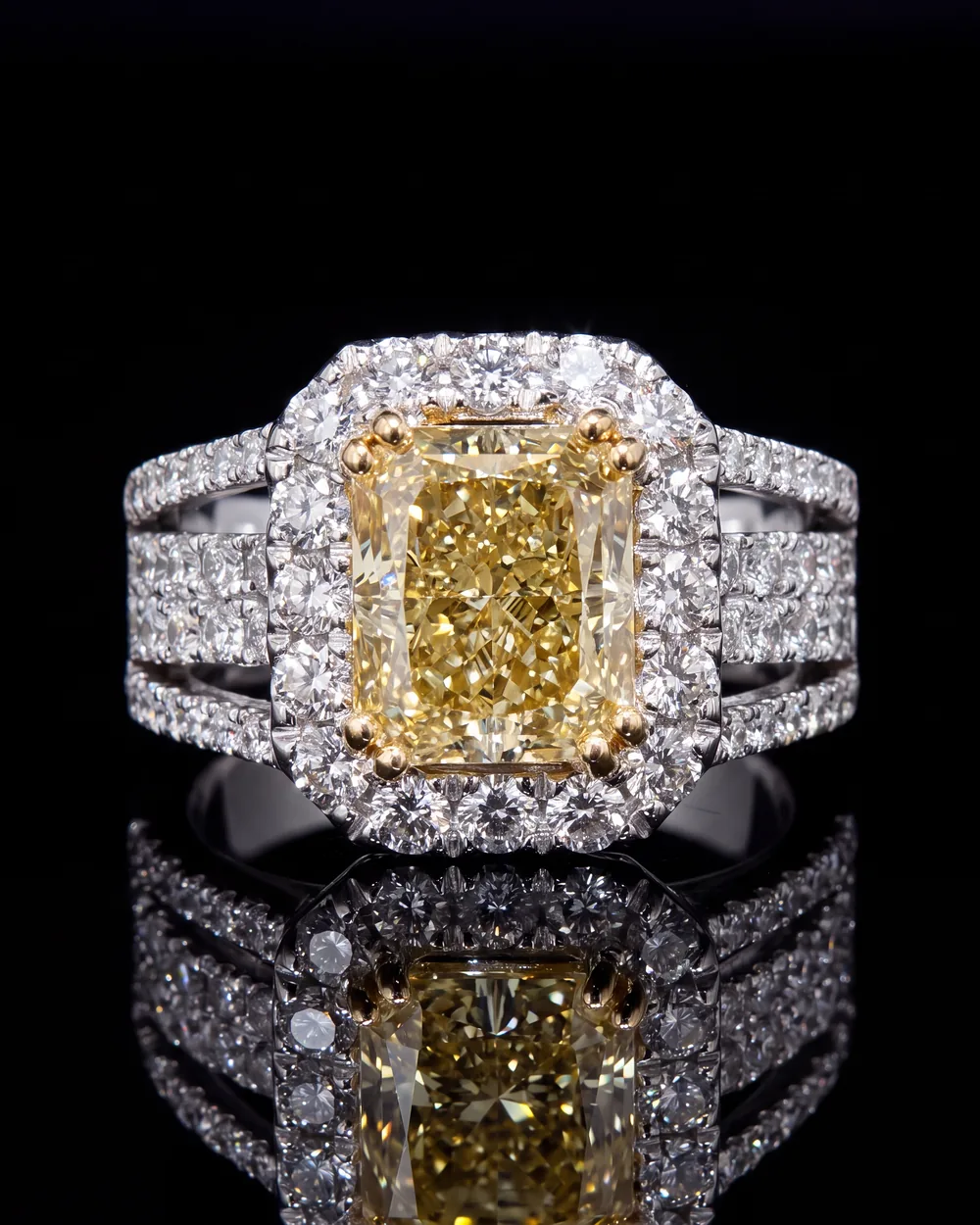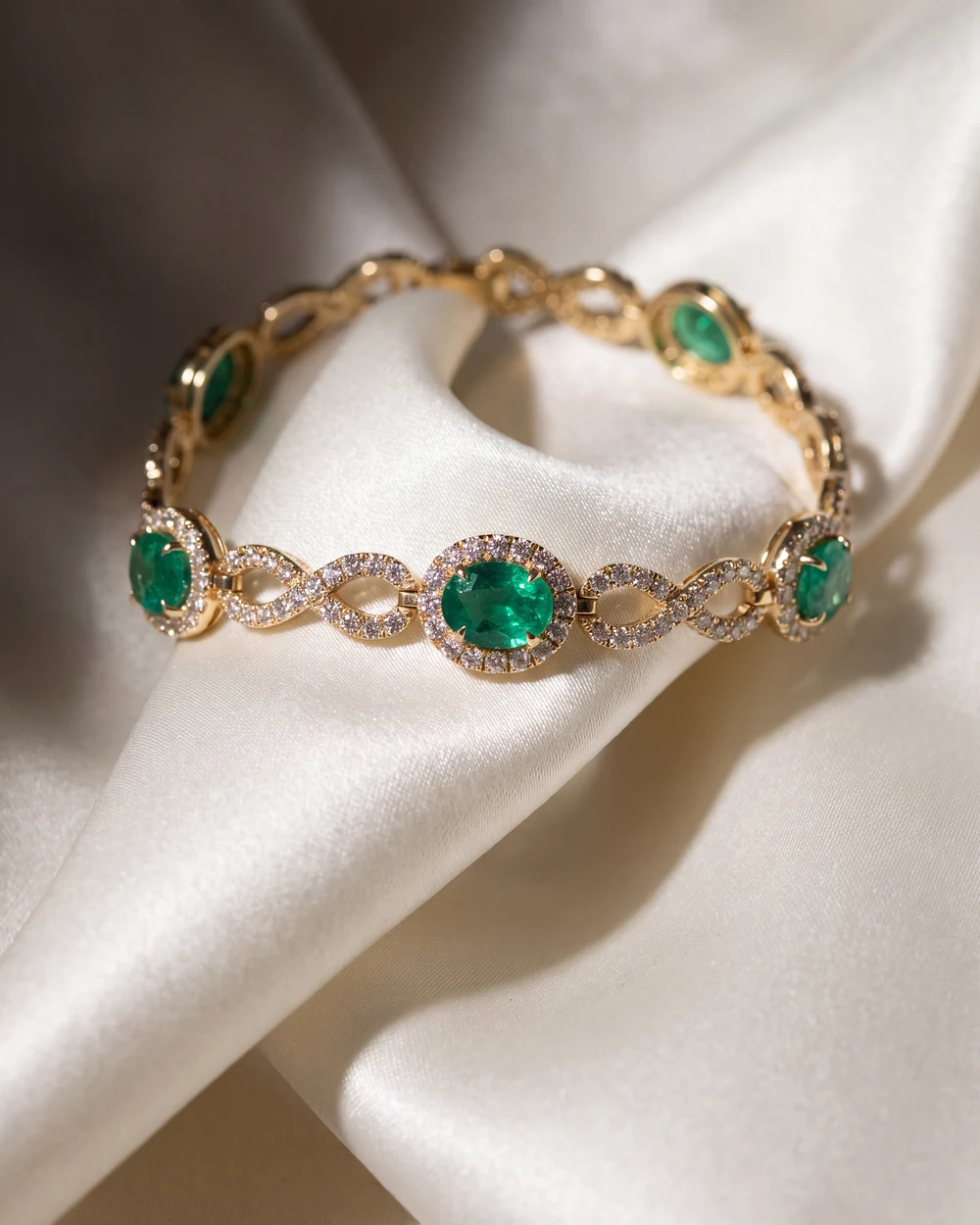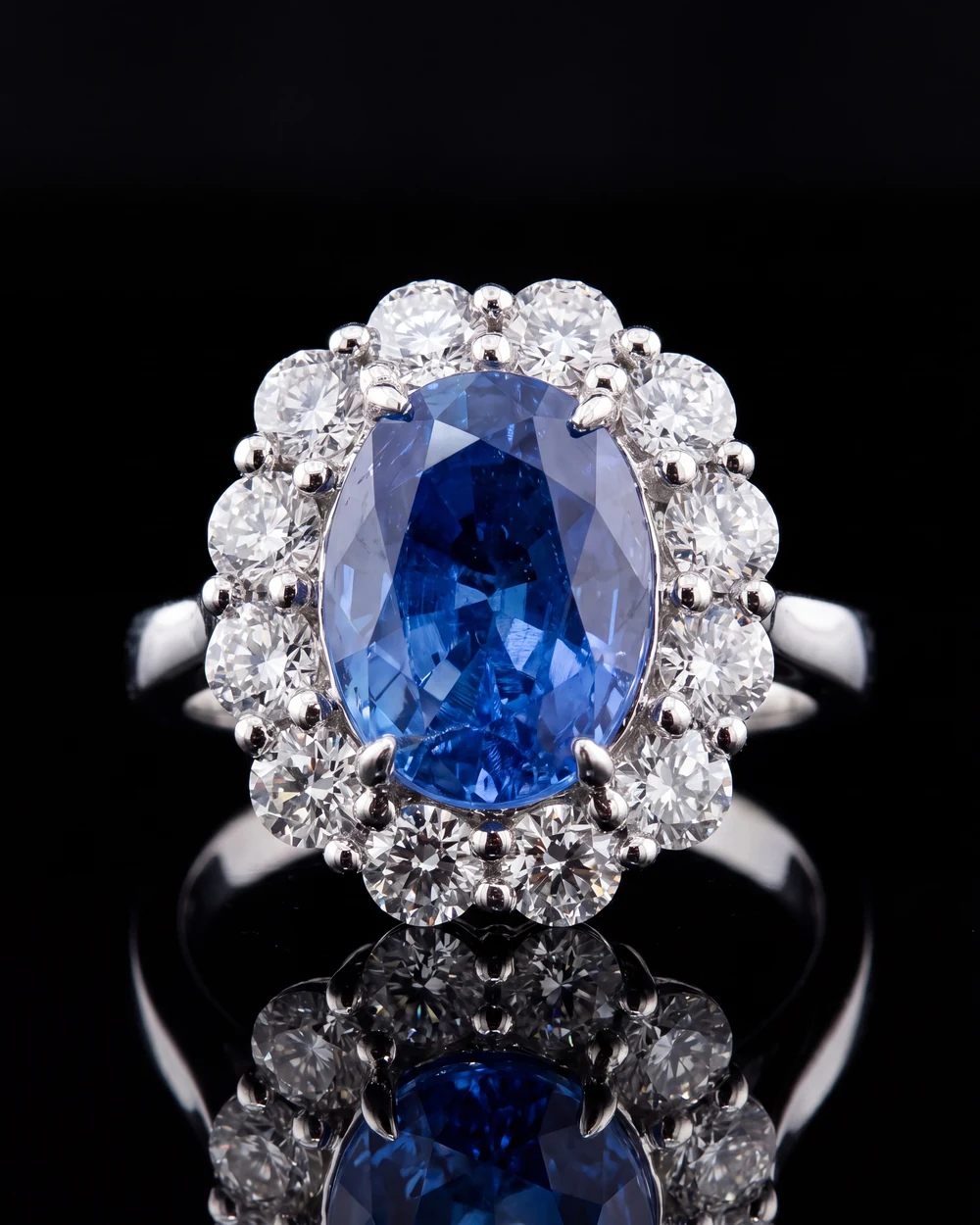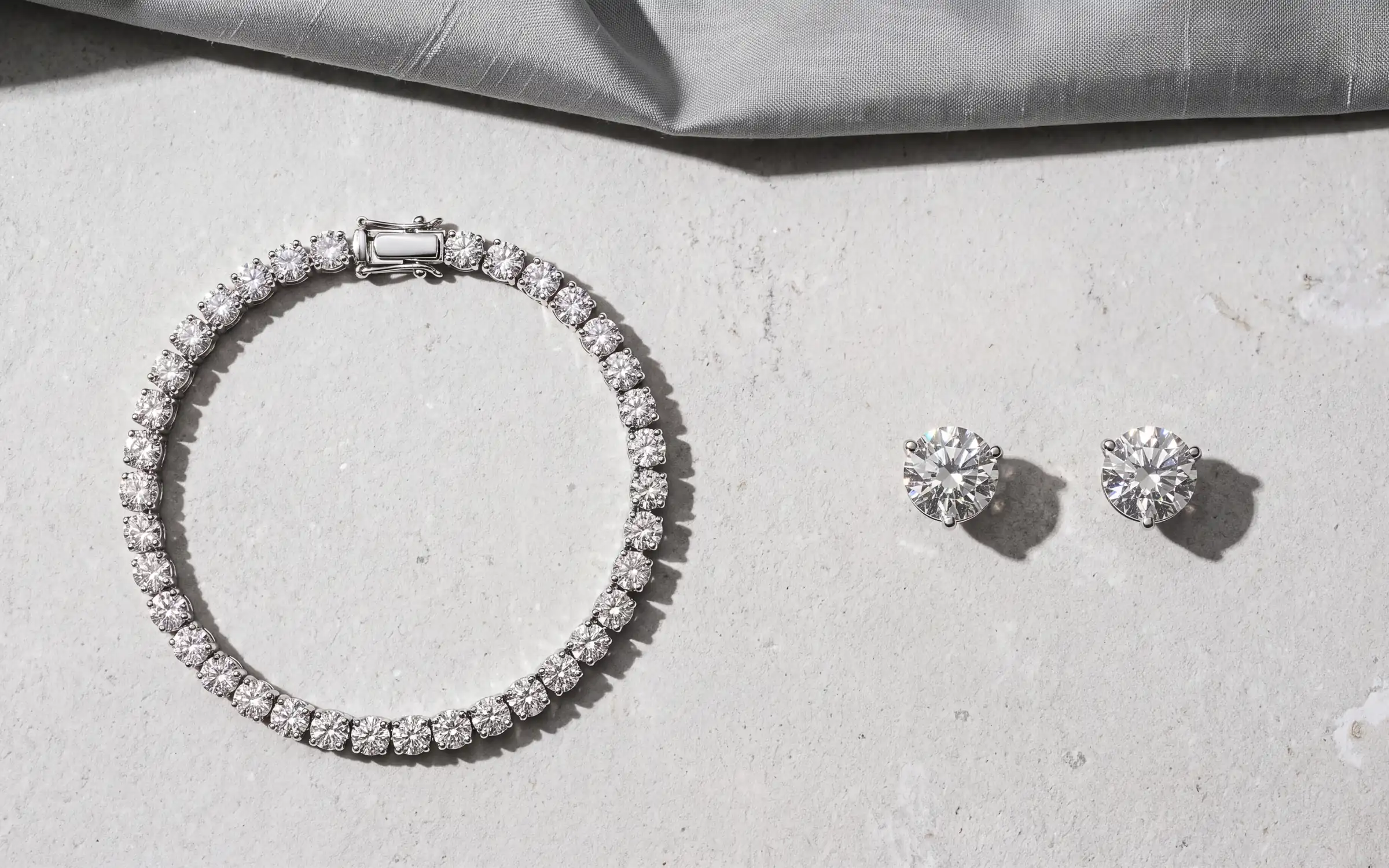
A wholesale catalog is the working document of a jewelry brand. It is what a store buyer looks at when deciding what to stock, and what they order from. A lookbook sells the mood of a collection. The wholesale catalog answers the buyer's practical questions: what is it, what does it come in, what does it cost, and when can I have it.
Many brands still build theirs once a season as a PDF, and many buyers still receive catalogs with missing prices, blurry photos and style numbers that do not match the invoice. This guide covers what a wholesale jewelry catalog should include, a column template you can copy, and how to keep it accurate and easy to order from.
Wholesale catalog, lookbook, retail catalog
The three get mixed up, so it helps to separate them.
- A wholesale catalog is for ordering. One row or tile per piece, with a photo, style number, specifications and wholesale price.
- A lookbook is for inspiration. Large photos, worn shots, the story of the collection, few numbers.
- A retail catalog is for shoppers, usually covering the whole range with retail copy and retail prices.
You can build all three from the same information. Start with the wholesale catalog, because it holds the facts the other two depend on.
What every piece needs
A buyer should be able to order from your catalog without emailing you a single question. For each piece, include:
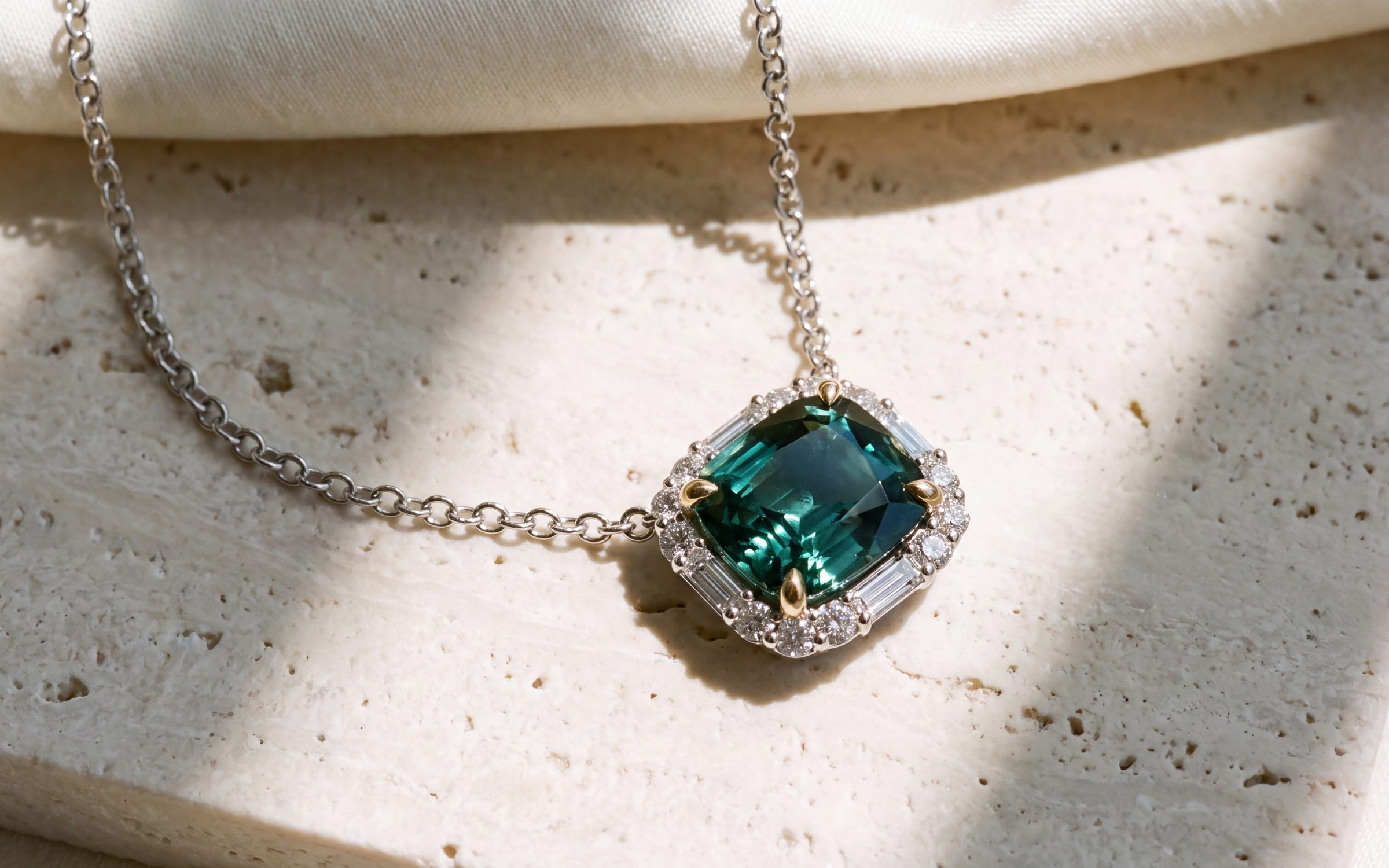
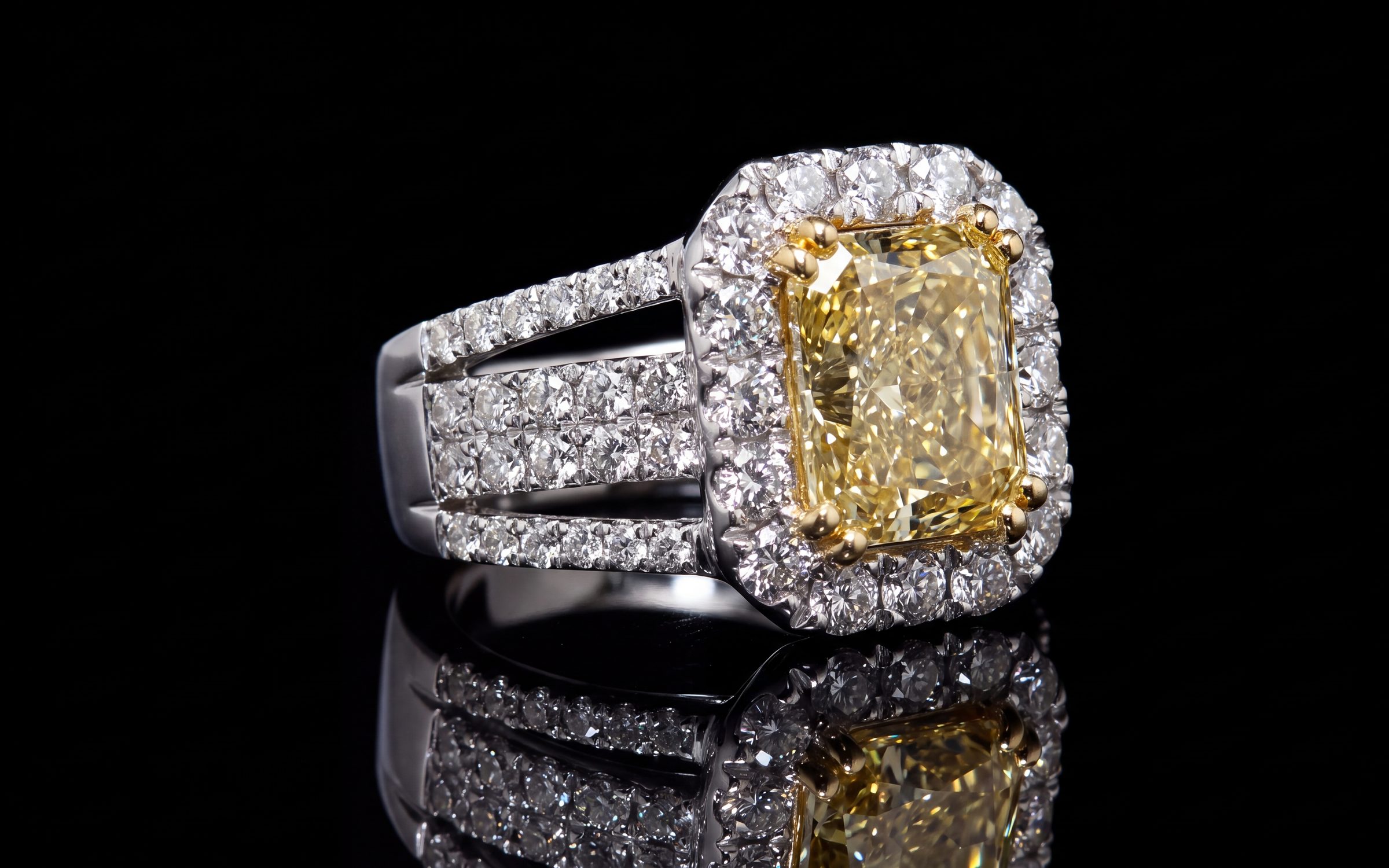
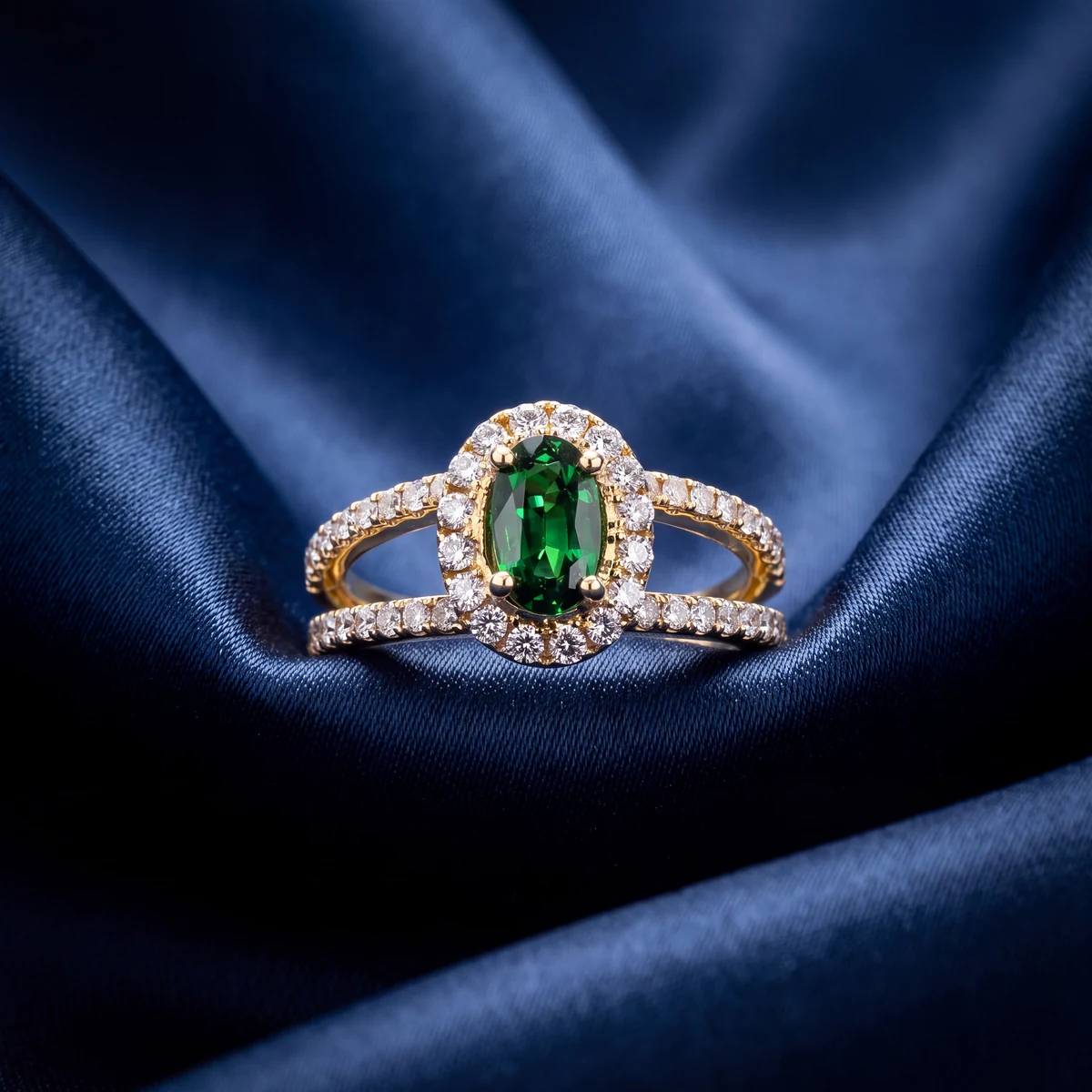
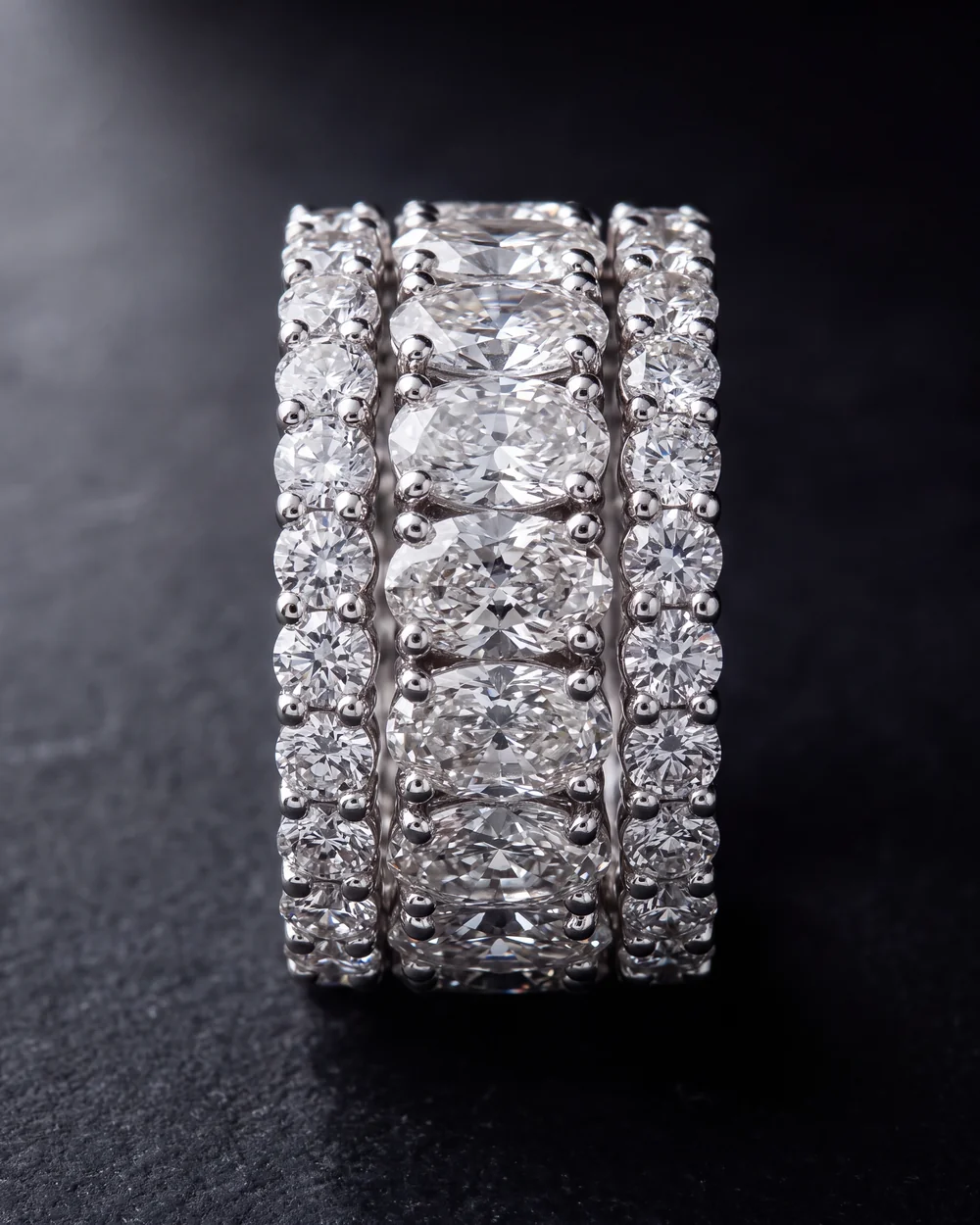
- A clear photo, consistent with the others in light, background and framing.
- The style number, matching your invoices and packing slips exactly.
- A short name buyers can say out loud, such as "Oval Halo Ring", alongside the style number.
- Metal and karat, and every metal option you offer.
- Stones: type, shape, size or carat weight, and total weight, using ct for a single stone and cttw for the total.
- Quality, where you specify it, such as diamond color and clarity range, or lab grown.
- Dimensions that matter: ring sizes available, chain length, drop length, band width.
- Wholesale price, and the suggested retail price if you set one.
- Minimum order and lead time, especially for made-to-order pieces.
Two habits save the most trouble. Keep style numbers identical across the catalog, invoice and product tag. And mark clearly which images are renders of made-to-order options, so the buyer knows what will arrive.
A catalog template
If you keep your collection in a spreadsheet, these columns cover most jewelry brands. One row per piece, with variants on their own rows or in clearly named columns.
- Style number: GFJ-1042
- Name: Oval Halo Ring
- Collection: Heirloom
- Category: Ring
- Metal options: 14K White, 14K Yellow, 14K Rose
- Center stone: Oval lab grown diamond, 1.50 ct
- Accent stones: Round diamonds, 0.35 cttw
- Total weight: 1.85 cttw
- Sizes: 4 to 9, half sizes
- Wholesale price: Your price
- Suggested retail: Your price
- Lead time: 3 weeks
- Minimum order: 1
- Photo file name: GFJ-1042-front
- Notes: Made to order in rose gold
Name the photo files by style number, so images never get matched to the wrong piece. Keep a master copy of the spreadsheet and build every PDF and edition from it, rather than editing the exported files.
Photos make or break it
A buyer is comparing your collection against several others on the same afternoon. A collection photographed on different days, by different people, under different light looks uneven, and a buyer has no way to tell whether the piece in the photo matches the one that will arrive.
Aim for:
- One look across the whole collection: the same background, angle and framing.
- Every metal shown, not just listed. If a ring comes in three golds, show three.
- A sense of scale, with at least one worn or on-hand shot per collection.
- Accurate color. White gold that looks warm in the photo will make a buyer wary of the shipment.
If some pieces only exist as CAD, see our guide to 3D jewelry rendering for how to check renders before they go in.
Formats buyers can use
Send the catalog in the form the buyer will actually use.
- A PDF for buyers who print, annotate or forward.
- A spreadsheet or CSV for stores that import products into their own systems.
- A private web page that opens well on a phone and can be updated without re-sending a file.
Whatever the format, share it privately. A wholesale catalog holds wholesale prices and new designs. Send it by direct link or attachment, keep it out of search engines, and remove old versions at the end of a season so nobody orders from last year's prices.
Keep it current
A catalog goes out of date the moment a price changes or a piece is dropped. Date every version on the cover, keep a short change list, and send a new link rather than expecting buyers to spot the difference. If you share a web edition, update it in place and tell buyers it changed.
How Aurix turns a catalog into editions
This part of Aurix is for brands and manufacturers. It is in early access, and we run it with each brand directly.
- Intake. You send your product list as a CSV. We map the columns, metal options become variants, and rows missing key details are flagged.
- Enrichment. Aurix reads each supplier photo, checks the declared style and metal against it, and writes titles and retail copy.
- Imagery. Every piece is rendered in the scenes you choose and in every metal you offer. You look at each render and can ask for a change, and your note goes into the next attempt.
- Editions. Aurix lays out a private web edition, a PDF and a social set from the same collection. A customer edition can carry a store's name. You send the link yourself.
The links are private and unlisted. If you send us your catalog, we do not publish it, share it with other brands or retailers, or use it as sample data. Read more about digital lookbooks for jewelry brands.
Where to start
Copy the template above, fill it in for one collection, and check every photo against the real piece. Send it to two or three buyers you trust and ask what they had to email you about. Those questions are your missing columns. To see how it works, book a 20-minute walkthrough. We run it on sample pieces.
Questions jewelers ask
What is a wholesale jewelry catalog?
The document store buyers order from. It lists each piece with a photo, style number, metal and stone specifications, sizes, wholesale price, suggested retail price, minimum order and lead time.
What should be in a wholesale jewelry catalog?
At minimum: a consistent photo, the style number, a short name, metal and karat options, stone details with ct or cttw, sizes or dimensions, wholesale price, suggested retail, minimum order and lead time.
What is the difference between a wholesale catalog and a lookbook?
A wholesale catalog is for ordering and is full of specifications and wholesale prices. A lookbook is for inspiration, with large photos, worn shots and the story of the collection. Many brands build both from the same master spreadsheet.
Should a wholesale catalog be a PDF or a spreadsheet?
Offer both if you can. Buyers who print or forward prefer a PDF. Stores that import products prefer a spreadsheet or CSV. A private web edition is easier to keep current than either.
Can Aurix build a catalog for my brand?
Yes, in early access. Aurix takes your product list as a CSV, writes the copy, renders each piece in every metal you offer, and builds a private web edition, a PDF and a social set. A person reviews every render.